
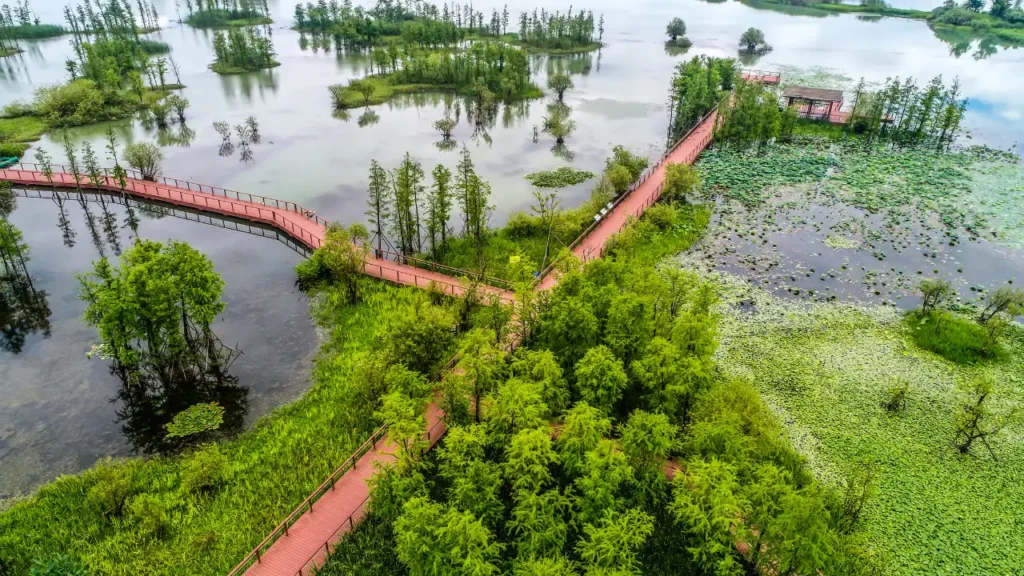
Wetlands are one of the most important yet misunderstood ecosystems on Earth. Often seen as muddy, mosquito-filled areas, wetlands actually play a critical role in protecting our environment, wildlife, and even human communities. From reducing floods to supporting biodiversity, wetlands quietly work behind the scenes to keep nature in balance.
In this simple guide, we’ll break down what wetlands are, the different types—especially marshes and swamps—and why they matter more than you might think.
What Are Wetlands?
Wetlands are areas of land that are either permanently or seasonally covered with water. The soil in these areas remains saturated for long periods, creating unique conditions that support special plants and animals adapted to wet environments.
Unlike lakes or rivers, wetlands are shallow and often transitional zones between dry land and open water. They can be found on every continent except Antarctica.
In simple terms, if the land stays wet long enough to support water-loving plants, it’s likely a wetland.
Key Features of Wetlands
Wetlands are identified by three main characteristics:
- Water Presence – The area is flooded or saturated with water, either year-round or during certain seasons.
- Wetland Soil – The soil is oxygen-poor due to constant moisture, affecting how plants grow.
- Hydrophytic Plants – Plants that thrive in wet conditions, such as reeds, cattails, and mangroves.
These features work together to create ecosystems that are very different from forests, grasslands, or deserts.
Types of Wetlands
There are several types of wetlands worldwide, but the most common ones include marshes, swamps, bogs, and fens. Let’s focus on the two most well-known types: marshes and swamps.
What Is a Marsh?
Marshes are wetlands dominated by grasses, reeds, and soft-stem plants, rather than trees.
Characteristics of Marshes
- Usually found near rivers, lakes, and coastlines
- Can be freshwater or saltwater
- Shallow water that may dry up seasonally
- Rich in nutrients
Types of Marshes
- Freshwater marshes – Found inland near lakes and rivers
- Saltwater marshes – Found along coastlines, especially where rivers meet the sea
Marshes are incredibly productive ecosystems and provide breeding grounds for fish, birds, and amphibians.
What Is a Swamp?
Swamps are wetlands dominated by trees and woody plants. They are often darker and denser than marshes.
Characteristics of Swamps
- Covered with slow-moving or standing water
- Trees like cypress, mangroves, and willows are common
- Found along rivers, floodplains, and low-lying areas
Types of Swamps
- Freshwater swamps – Located near rivers and lakes
- Saltwater swamps (Mangroves) – Found in coastal areas
Swamps act like natural sponges, absorbing excess water during heavy rains and reducing flood damage.
Why Are Wetlands Important?
Wetlands provide benefits that go far beyond their boundaries.
1. Flood Control
Wetlands absorb excess rainfall and slow down floodwaters. This helps protect nearby cities, farms, and infrastructure from flooding.
2. Water Purification
Wetlands act as natural filters. They trap sediments, absorb pollutants, and remove excess nutrients from water before it reaches rivers and oceans.
3. Wildlife Habitat
Wetlands support a wide range of wildlife, including:
- Birds
- Fish
- Frogs
- Reptiles
- Insects
- Mammals
Many migratory birds depend on wetlands for resting and feeding during long journeys.
4. Climate Regulation
Wetlands store large amounts of carbon in their soils, helping reduce greenhouse gases and slow climate change.
5. Economic Value
Wetlands support fisheries, agriculture, tourism, and recreation. Millions of people rely on wetlands for their livelihoods.
Wetlands and Biodiversity
Wetlands are among the most biologically diverse ecosystems on the planet. Even though they cover a small percentage of Earth’s surface, they support an outsized number of species.
Some animals live their entire lives in wetlands, while others depend on them for breeding or feeding. Losing wetlands means losing habitats that cannot easily be replaced.
Threats to Wetlands
Despite their importance, wetlands are disappearing at an alarming rate due to:
- Urban development
- Agricultural expansion
- Pollution
- Climate change
- Drainage and land filling
When wetlands are destroyed, the consequences include increased flooding, poorer water quality, and loss of wildlife.
Protecting Wetlands
Conservation efforts are essential to protect wetlands for future generations. This includes:
- Creating protected wetland reserves
- Restoring damaged wetlands
- Reducing pollution
- Promoting sustainable land use
Public awareness also plays a key role—understanding wetlands is the first step toward protecting them.
Conclusion
Wetlands may not always look impressive, but they are powerful ecosystems that support life, protect communities, and maintain environmental balance. Whether it’s a grassy marsh or a tree-filled swamp, every wetland plays a vital role in our world.
By learning more about wetlands and respecting their value, we can help ensure these natural systems continue to thrive for generations to come.

 ICONIER Digital Agency