
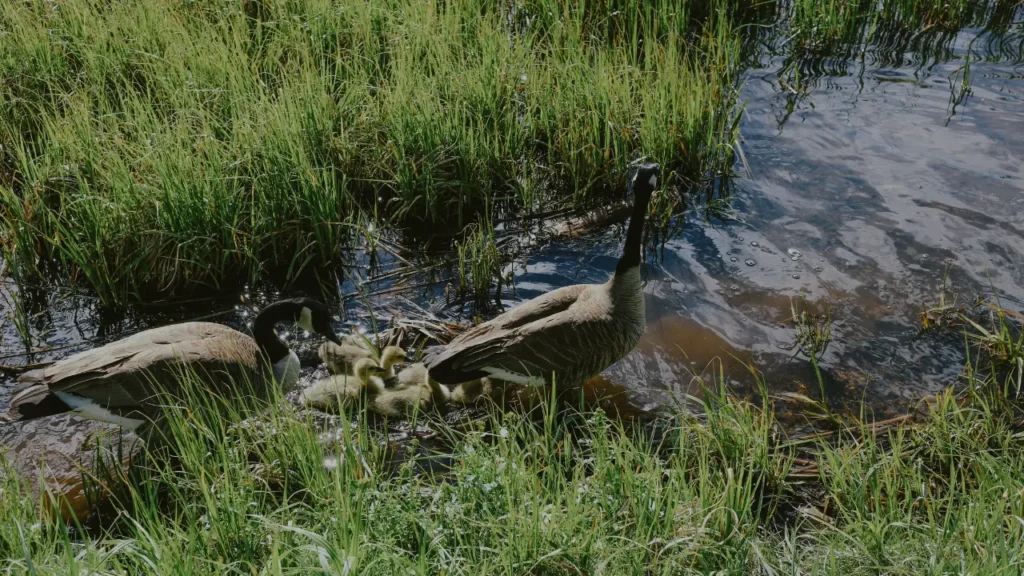
Swamps and marshes are among the most fascinating environments for nature photography. These wetlands are full of life, dramatic reflections, unique vegetation, and diverse wildlife that create incredible opportunities for photographers. From misty morning landscapes to birds gliding across still water, swamps and marshes offer scenes that feel almost magical.
However, photographing in wetlands can be challenging. Muddy terrain, humidity, insects, and constantly changing light conditions require careful preparation. With the right techniques and planning, you can capture stunning wetland images while protecting your equipment and staying safe.
This guide will walk you through the most effective nature photography tips for swamps and marshes so you can capture the beauty of wetlands like a professional.
Understand the Wetland Environment
Before you even take out your camera, it is important to understand how swamps and marshes work as ecosystems.
Swamps typically contain trees and woody plants growing in standing water, while grasses and reeds dominate marshes. Both environments attract a wide range of wildlife, including birds, amphibians, reptiles, insects, and mammals.
Understanding the ecosystem helps you anticipate where wildlife will appear. For example:
- Birds often gather near shallow water.
- Frogs and reptiles hide near the edges of vegetation.
- Fish activity attracts predators like herons and egrets.
Spend time observing the environment before shooting. The more you understand wetland behaviour, the better your photographs will be.
Shoot During Golden Hour
Lighting is one of the most important elements of nature photography.
Wetlands look their most beautiful during golden hour, which occurs shortly after sunrise and before sunset. During this time:
- Light is soft and warm
- Shadows are longer and more dramatic
- Reflections on water become more vibrant
Morning shoots in marshes are especially magical. Fog often forms above the water, creating an atmospheric scene that adds depth and mystery to photographs.
Early mornings also tend to be when wildlife is most active, giving you more opportunities to capture animals in their natural behaviour.
Use Reflections to Create Stunning Compositions
Still water in marshes and swamps creates natural mirrors that can enhance your compositions.
Look for scenes where trees, birds, or clouds reflect on the water’s surface. Reflections can turn a simple subject into a visually striking photograph.
To capture reflections effectively:
- Use a lower camera angle
- Shoot when the water is calm
- Include both the subject and reflection in the frame
You can also experiment with partial reflections for more abstract compositions.
Bring the Right Camera Gear
Wetland environments can be harsh on camera equipment, so preparation is essential.
Some useful gear for swamp and marsh photography includes:
Telephoto Lens
Wildlife in wetlands can be difficult to approach. A 300mm to 600mm telephoto lens allows you to photograph birds and animals without disturbing them.
Wide-Angle Lens
A wide-angle lens is perfect for capturing dramatic landscapes, misty wetlands, and sunrise reflections.
Tripod
Swamp lighting conditions can sometimes be low, especially in foggy mornings. A tripod helps stabilise your camera for sharper images.
Waterproof Protection
Humidity and splashes are common in wetlands. Use:
- Weather-sealed cameras
- Rain covers
- Dry bags
Protecting your gear will help prevent long-term damage.
Focus on Wildlife Behaviour
Wetlands are rich with wildlife, making them ideal for nature photography.
Some common subjects include:
- Herons
- Egrets
- Ducks
- Frogs
- Turtles
- Dragonflies
Instead of just photographing animals standing still, try capturing behavioural moments, such as:
- Birds taking flight
- Frogs jumping into water
- Predators catching fish
These action shots make your images more dynamic and engaging.
Patience is key. Wildlife photography often requires waiting quietly for the perfect moment.
Use Natural Framing
Swamps and marshes are full of plants, branches, and reeds that can be used creatively.
Natural framing adds depth and visual interest to your photos. Try placing:
- Reeds along the edges of the frame
- Tree branches above the subject
- Grasses in the foreground
This technique guides the viewer’s eye toward the main subject while creating a more immersive scene.
Capture Textures and Details
While landscapes and wildlife are popular subjects, wetlands also offer incredible small details.
Look closely for:
- Water droplets on leaves
- Insects resting on reeds
- Patterns created by mud and roots
- Moss growing on tree trunks
Macro or close-up photography can reveal hidden beauty that many people overlook.
These detail shots also add variety to your photography portfolio.
Be Mindful of Safety
Wetlands can be unpredictable environments, so safety should always come first.
Some safety tips include:
- Wear waterproof boots
- Watch for unstable ground or deep mud
- Protect yourself from insects
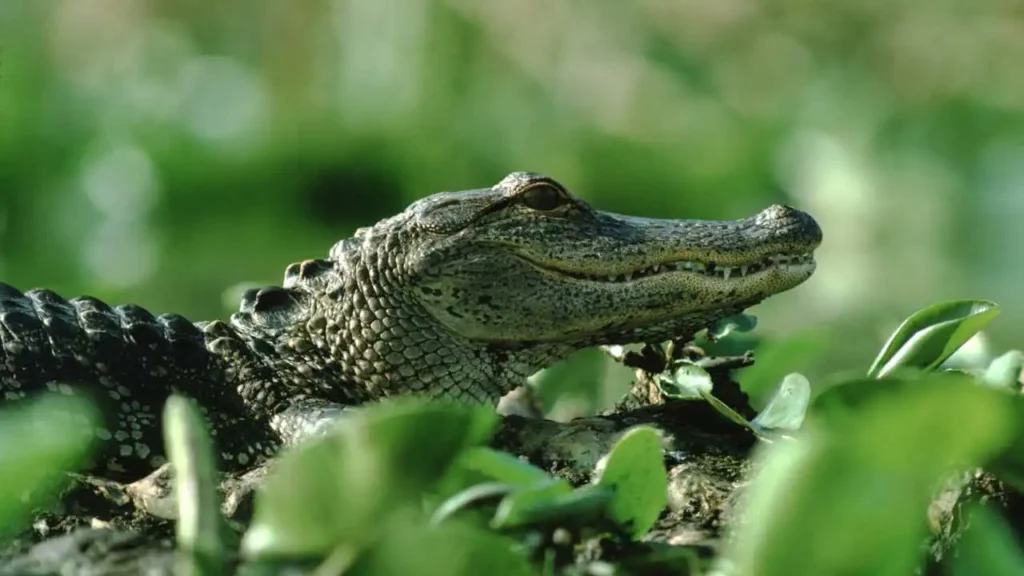
- Be aware of wildlife such as snakes or alligators in certain regions
Always stay on marked trails when possible and avoid disturbing natural habitats.
Respecting the environment ensures both your safety and the preservation of the ecosystem.
Experiment With Creative Techniques
Swamps and marshes provide opportunities to experiment with creative photography techniques.
You can try:
Long Exposure
Long exposures smooth out water surfaces and create a dreamy atmosphere.
Silhouettes
During sunrise or sunset, position your subject against the bright sky to create striking silhouettes.
Minimalist Composition
Sometimes, a single bird standing in calm water can create a powerful minimalist image.
Experimentation helps develop your personal photography style.
Practice Patience and Observation
The best nature photographers spend more time observing than shooting.
Wetlands are constantly changing environments. Wildlife appears unexpectedly, light shifts quickly, and reflections transform within minutes.
By slowing down and observing your surroundings, you can anticipate beautiful moments before they happen.
Patience often leads to the most rewarding photographs.
Final Thoughts
Swamps and marshes are some of the most rewarding locations for nature photography. Their combination of wildlife, reflections, misty landscapes, and rich textures offers endless creative possibilities.
By understanding the wetland ecosystem, choosing the right lighting, using appropriate gear, and practising patience, photographers can capture breathtaking images that showcase the beauty of these unique environments.
With these nature photography tips for swamps and marshes, you will be better prepared to explore wetlands and transform their wild beauty into powerful photographs.

 ICONIER Digital Agency